


Automated Static Elimination for Electronics Assembly and Production Workstations
Electronic Manufacturing Services (EMS) providers handle a wide range of electronic manufacturing processes, including SMT assembly, PCB processing, component handling, product assembly, inspection, and packaging.
Throughout these operations, electrostatic charges can accumulate on PCBs, electronic components, insulating materials, and work surfaces. Uncontrolled static electricity may attract airborne particles, cause electrostatic discharge (ESD) risks, and affect product quality and manufacturing reliability.
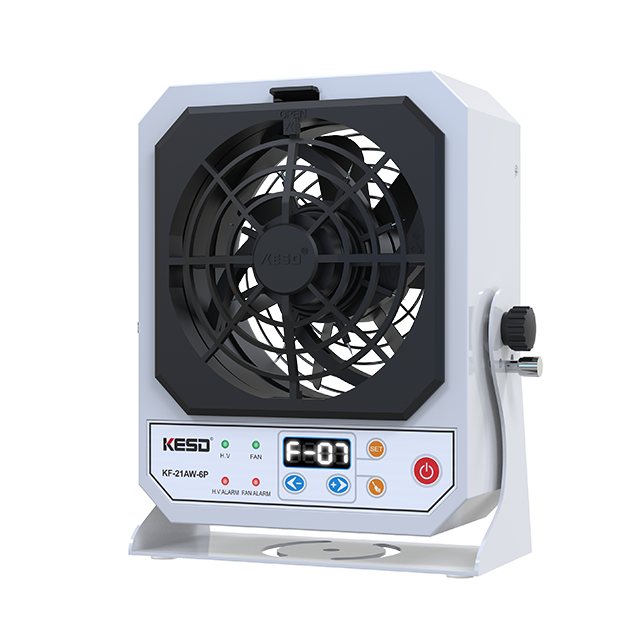
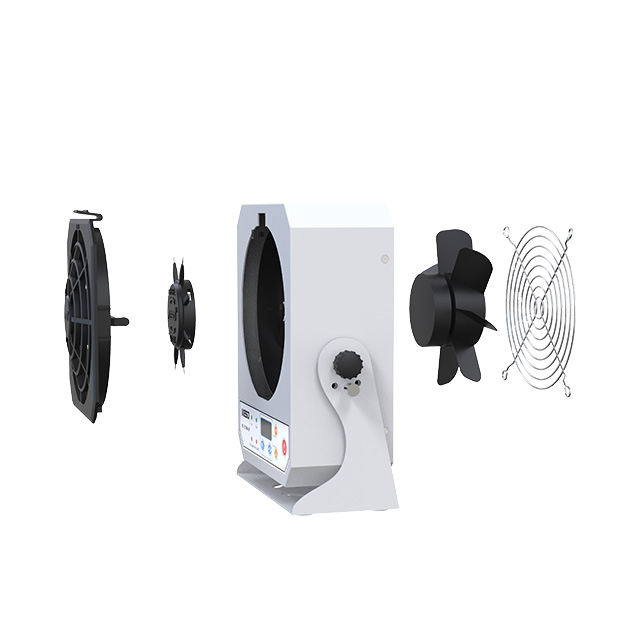
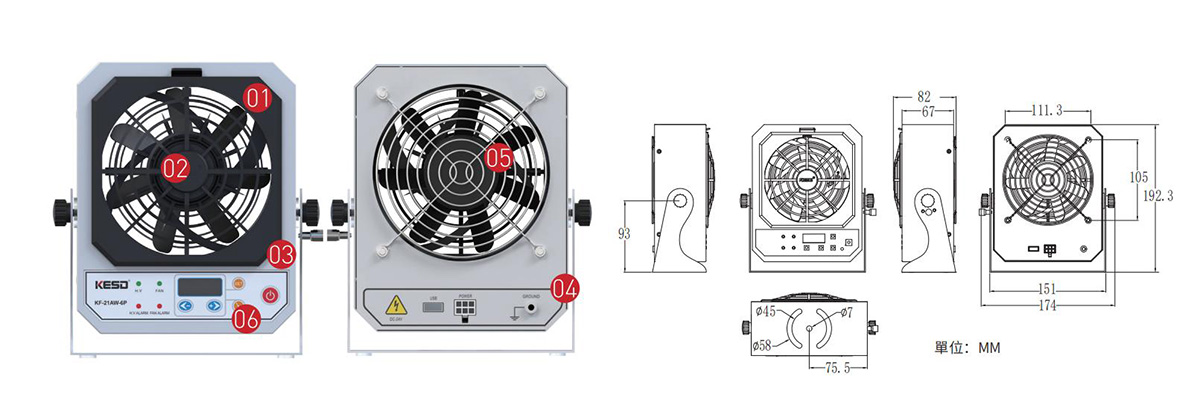
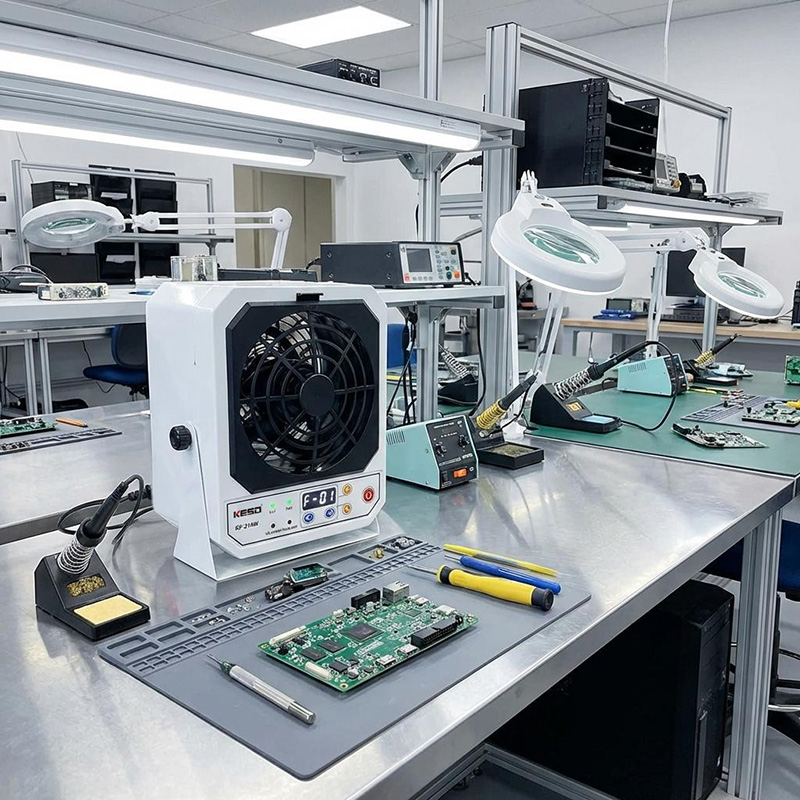
The KESD KF-21AW-6P Self-Cleaning Ionizing Air Blower provides localized ionization for static control at electronics manufacturing workstations. Its self-cleaning design helps maintain emitter cleanliness and reduces the need for frequent manual cleaning.
Designed for industrial electronics manufacturing environments, the KF-21AW-6P helps EMS manufacturers improve static control at critical production points.
| Category | Parameters |
|---|---|
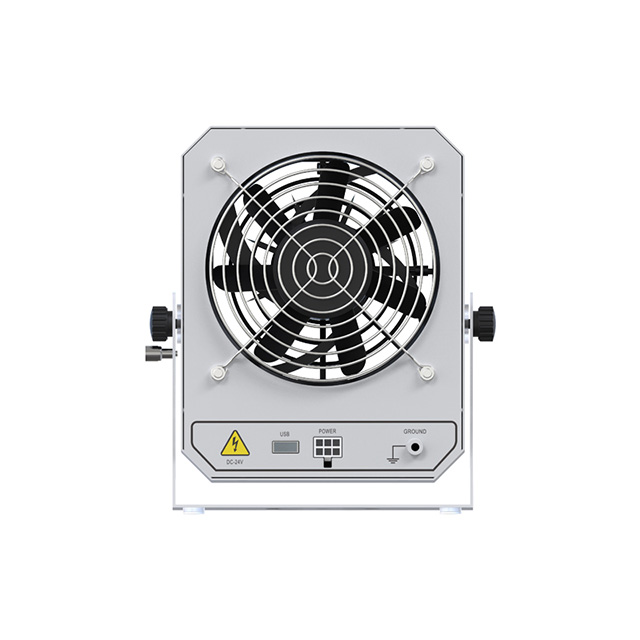
| Input voltage | DC24V |
| Ion balance | Automatic ion balance system 0±10V |
| Cleaning timer setting time | Set within the range of 0~999 hours |
| Mode of voltage application | AC mode/±2200V |
| Weight | 1.5kg (including bracket) |
| Wind volume | 2.44~5.1m³/min |
| Ozone concentration | ≤0.015ppm (distance 50mm) |
| Operating environment temperature and humidity | 0~40℃ 15~75%RH (no condensation, no water drop condensation) |
| Power consumption | ≤17W |
| Noise | ≤68db |
| Distance | Decay time | Ion balance | Remark |
|---|---|---|---|
| 300mm | 1.5s~1.8s | 0±10V | 1.Testing method: Use TREK-156A electrostatic charged plate meters and follow the company's measurement method. 2.Decay time refers to the time for voltage to drop from 1000 V to ±100 V, measured at the maximum air volume without a rear filter. 3.Test in the central area of the ionizer |
| 600mm | 2.5s~3.0s | 0±15V | |
| 900mm | 3.5s~4.6s | 0±20V |
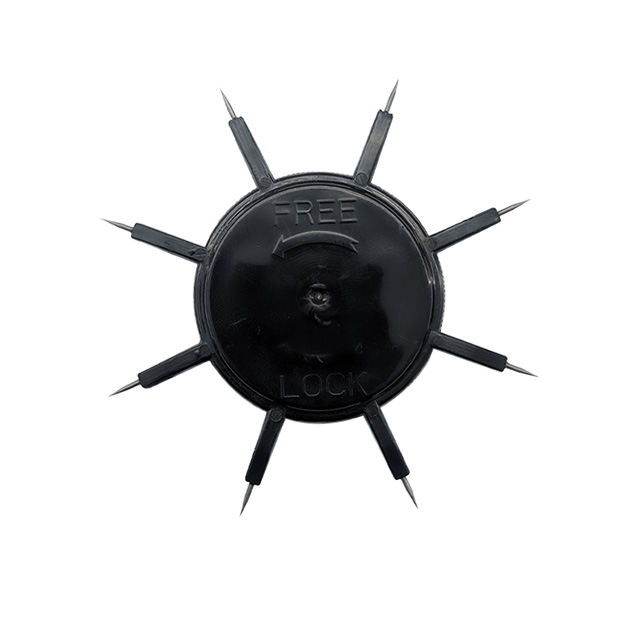
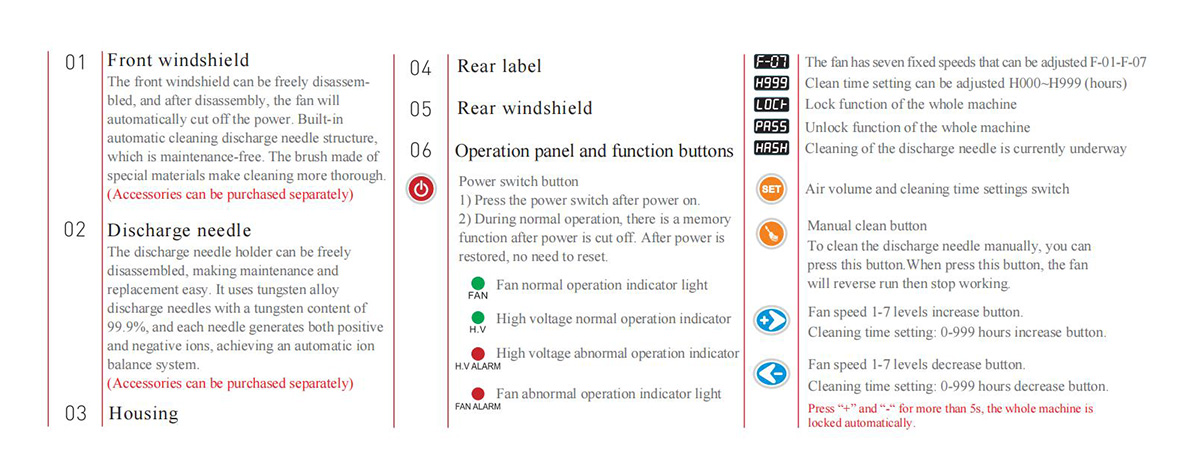
① Automatic cleaning function for discharge needles and reverse fan design to avoid the re-contamination after cleaning.
② With wireless network monitoring, real-time monitoring via wireless receiver and transmitter.
③ According to the workshop environment level,there is setting timer from 0~999 hours of automatic cleaning,
as well as the LED display of setting time.
④ Automatic ion balance system,and the ion balance can be reached within 0±10V.
⑤ Lock function of the whole machine (refer to the button function description)
⑥ With abnormal operation alarm system.
Q1. What is an ionizing air blower and how does it eliminate static electricity?
An ionizing air blower generates positive and negative ions and delivers them to a charged surface through airflow. The ions neutralize electrostatic charges on insulating materials such as plastic film, packaging and electronic parts. It helps reduce static-related dust attraction and ESD risks in industrial production. Actual results depend on the model, distance and operating conditions.
Q2. How do I choose the right ionizing air blower for my application?
Choose a model based on the target material and area, working distance, production speed, required airflow, installation space and power supply. Share these details with KESD, along with your application and expected quantity. Our team can review your requirements and recommend a suitable model.
Q3. How quickly can an ionizing air blower remove static electricity?
Static decay time depends on the initial charge, working distance, airflow, material, ion balance and environment. Check the model's test data under stated conditions, then verify performance at your production line with a suitable electrostatic field meter. Contact KESD for model-specific performance information.
Q4. What is the recommended working distance for an ionizing air blower?
The suitable working distance varies by model, airflow and target area. Install the blower where ionized airflow can reach the charged surface without obstruction. A distance that is too great may reduce effectiveness. Refer to the model's specifications and confirm the setup through static voltage testing. KESD can advise on installation.
Q5. Can an ionizing air blower remove dust from plastic film and electronic parts?
An ionizing air blower neutralizes static charges that attract airborne dust. Its airflow may also dislodge loose particles from the surface. Actual dust removal depends on airflow, particle adhesion and the production environment. For applications requiring both static neutralization and dust removal, share your material and process details with KESD.
Q6. What is the difference between an ionizing air blower and an ionizing air bar?
An ionizing air blower uses a fan to deliver ionized airflow to a target area, often for localized or workstation applications. An ionizing air bar is typically installed along a production line to provide linear static control. The right choice depends on material width, line speed, installation space and airflow needs. KESD can help assess your application.
Q7. How often should I clean and maintain an ionizing air blower?
Maintenance frequency depends on dust levels, operating hours and the model. Regularly inspect and clean emitter points as instructed, keep air inlets and outlets clear, and check fan operation and cables. Disconnect the power before cleaning and follow the product manual. Periodic static performance checks can help identify when maintenance is needed.
Q8. Can KESD provide customized ionizing air blowers for my production line?
Customization may be available depending on the model and technical requirements. Please share the required dimensions, input voltage, airflow, working distance, mounting method, application environment and order quantity. Drawings or photos of the installation space are also helpful. KESD will review feasibility and recommend a suitable configuration.
Q9. How does KESD ensure the quality of its ionizing air blowers?
KESD focuses on product quality through applicable component checks, controlled assembly, functional testing and final inspection. Inspection items depend on the product model and its specifications. Please contact us for details of the relevant tests, available reports and quality documents for the model you are considering.
Q10. What information should I provide to get a quotation for an ionizing air blower?
Please provide your application, target material and area, working distance, installation conditions, required voltage and airflow, preferred model (if known), order quantity and destination country. Photos or drawings can help clarify your requirements. KESD can then review the application, recommend a suitable model and prepare a quotation.
By continuing to use the site you agree to our privacy policy Terms and Conditions.


